Chiropractic adjustments, including low-force techniques such as SOT and NET, help optimize nervous system function, restore healthy movement, and support the body's natural ability to self-regulate.
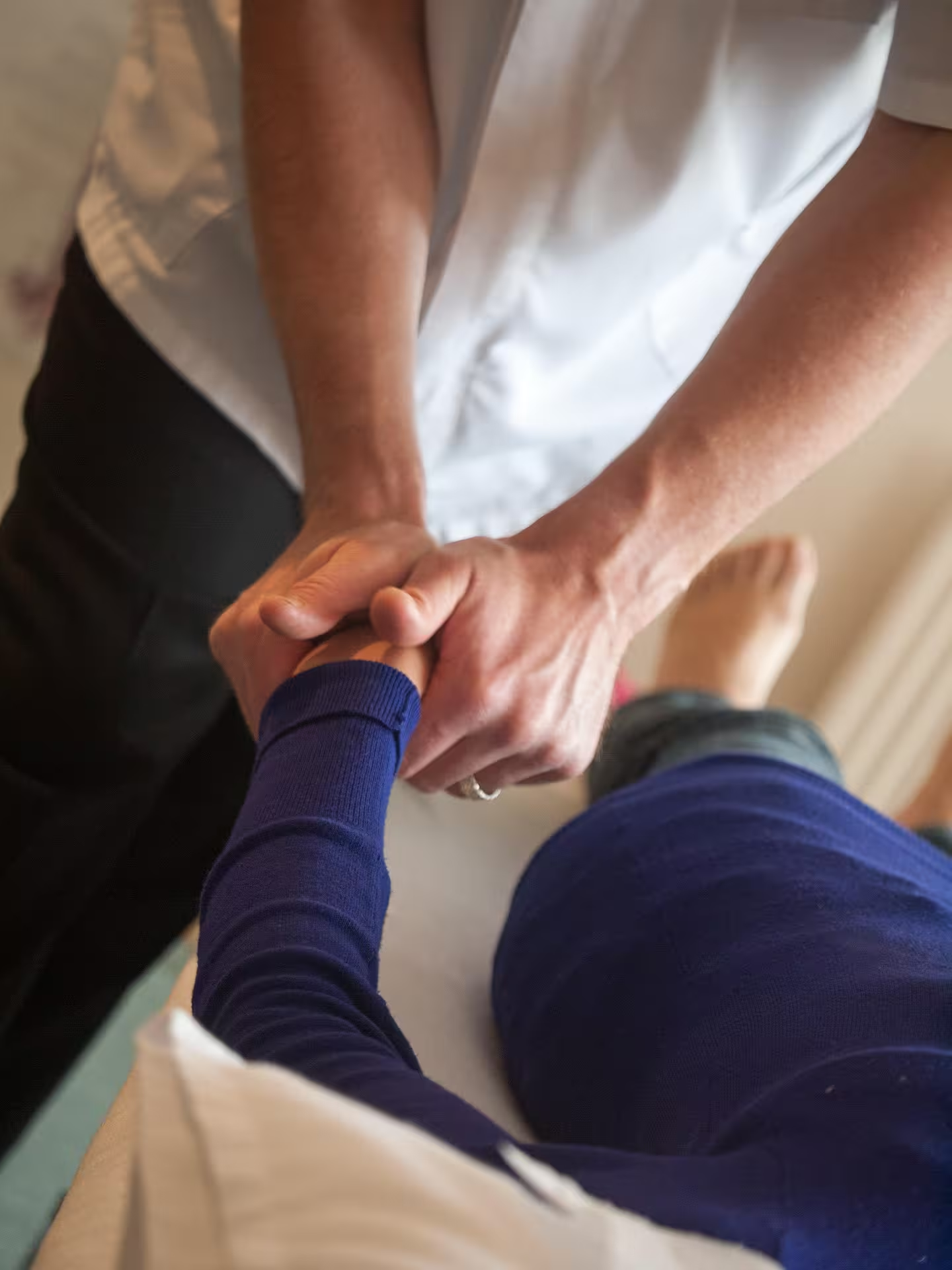
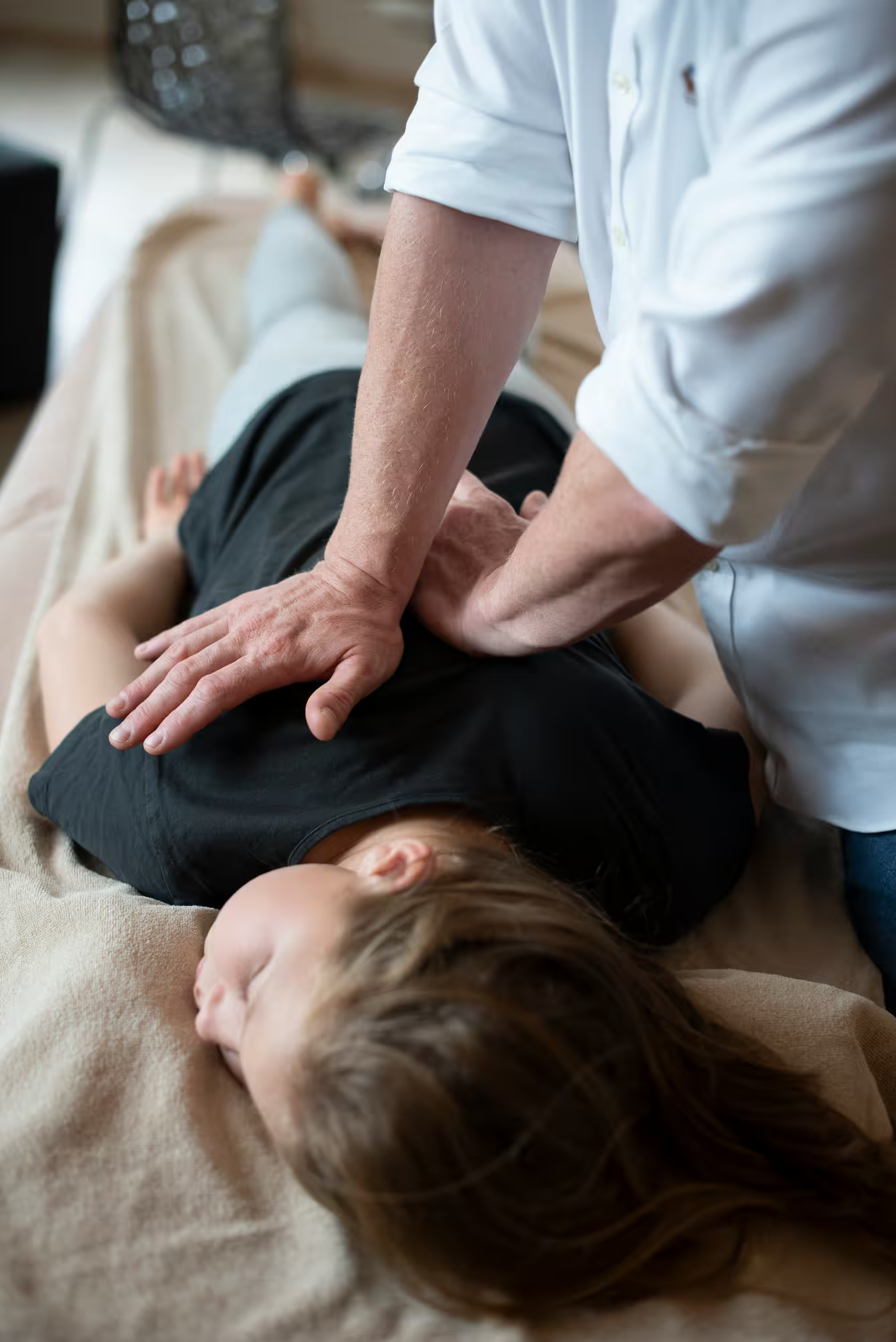
Physical medicine encompasses a variety of hands-on therapies designed to improve the relationship between the musculoskeletal system, the nervous system, and overall body function. While each technique utilizes a unique approach, the common goal is to restore proper movement, reduce physical stress, and improve communication throughout the body.
At our office, we utilize several evidence-informed and clinically proven physical medicine techniques, selecting the approach that best fits each patient's unique needs, condition, comfort level, and treatment goals.
Chiropractic manipulation is one of the most widely recognized forms of physical medicine. Developed in the late 1800s, chiropractic care focuses on the relationship between spinal function, nervous system health, and overall well-being.
Diversified manipulation is the most commonly used chiropractic technique and involves a specific, controlled thrust applied to a restricted joint. The goal is to restore normal joint motion, improve biomechanics, and reduce stress on surrounding tissues.
Research suggests that spinal manipulation influences both mechanical and neurological processes. Restricted joints can alter sensory input from muscles, ligaments, and joints, affecting how the brain perceives and controls movement. By restoring motion to dysfunctional joints, manipulation can help normalize these neurological feedback mechanisms and improve overall function.
Common reasons for utilizing chiropractic manipulation include:
While manipulation utilizes a quick and specific thrust, mobilization involves slower, repetitive movements applied within a joint's normal range of motion.
Joint mobilization is especially useful when patients are unable to tolerate traditional adjustments due to pain, inflammation, injury, age, or personal preference. By gradually improving movement and reducing soft tissue guarding, mobilization can help restore proper biomechanics without the force associated with manipulation.
Joint mobilization may also stimulate mechanoreceptors within the joint capsule, influencing nervous system activity and helping reduce pain while improving mobility.
Common applications include:
Sacro-Occipital Technique was first developed by Dr. Major Bertrand DeJarnette in the early-1900s and refined through the late twentieth century. SOT is based on the concept that the sacrum and occiput function as the primary components of the body's structural and nervous systems, being coupled together through a dynamic relationship in which the sacrum and pelvis serve as the foundation of the body, while the occiput serves as the foundation of the cranium.
SOT evaluates patterns of tension and dysfunction throughout the body and utilizes gentle methods—including pelvic blocking, cranial techniques, and soft tissue procedures—to help normalize these patterns.
Unlike traditional manipulation-focused approaches, SOT often works with the body's inherent mechanics and neurological reflexes rather than relying on forceful corrections. The technique evaluates how structural imbalances may influence spinal mechanics, muscular tension, circulation, cerebrospinal fluid dynamics, and nervous system function.
SOT is frequently used for:
Applied Kinesiology was developed in the 1960s by chiropractor Dr. George Goodheart. AK utilizes manual muscle testing as a functional assessment tool to gather information about structural, biochemical, and neurological influences affecting the body.
The underlying principle is that muscles serve as important indicators of nervous system function. Changes in muscle performance may provide insight into areas of physiological stress or dysfunction that warrant further evaluation.
During AK assessment, specific muscles are challenged while various structural, nutritional, or neurological factors are evaluated. Findings are integrated with the patient's history, examination findings, laboratory data, and other diagnostic information to guide treatment recommendations.
Applied Kinesiology is commonly used to help evaluate:
Neuro-Emotional Technique was developed by Dr. Scott Walker and combines concepts from chiropractic, traditional Chinese medicine, stress physiology, and mind-body medicine.
NET is based on the understanding that emotionally significant experiences can become associated with specific physiological responses within the nervous system, called Neuro Emotional Complexes (NECs). When unresolved stress responses persist, NECs contribute to ongoing patterns of tension, discomfort, or altered physiological function.
Using a structured assessment process, NET seeks to identify these stress-related patterns and facilitate their resolution through specific chiropractic and mind-body interventions.
Patients often seek NET as part of a comprehensive approach to:
NET is used in our clinic as a physical medicine approach that addresses the interaction between emotional stress and physiological function.
Neuro-Structural Technique is a gentle soft tissue therapy developed by Michael Nixon-Livy in Australia based on the work of Thomas Bowen. NST focuses on releasing patterns of tension within muscles, connective tissue, and neurological pathways that may contribute to pain and dysfunction.
The technique involves precise, rhythmic soft tissue applications performed along specific muscle groups and neurological pathways. Brief resting periods between movements allow the nervous system time to process and integrate the changes being introduced.
NST is designed to facilitate communication between the musculoskeletal system and the nervous system while promoting relaxation, improved mobility, and restoration of normal movement patterns.
Common applications include:
Because NST is exceptionally gentle, it is often well tolerated by patients who may not be candidates for more forceful interventions.
Every patient presents with a unique history, examination findings, and health goals. For this reason, no two visits look exactly the same.
Following a comprehensive examination, treatment recommendations are tailored to the individual. Some patients may benefit from traditional chiropractic manipulation to restore joint motion and improve biomechanics. Others may respond better to low-force approaches such as SOT, gentle mobilization techniques, NST, or a combination of therapies.
When appropriate, Applied Kinesiology may be utilized to gather additional functional information, while NET may be incorporated when stress-related neurological patterns appear to be contributing to the patient's condition.
Rather than applying the same treatment to every patient, our goal is to identify the specific structural, neurological, and functional factors influencing each individual's health. By combining multiple physical medicine techniques, we are able to create a personalized treatment approach that supports improved movement, nervous system regulation, pain reduction, and overall function.