Nature's original medicine. Herbal therapies help regulate physiology, support recovery, and strengthen the foundations of lasting health.
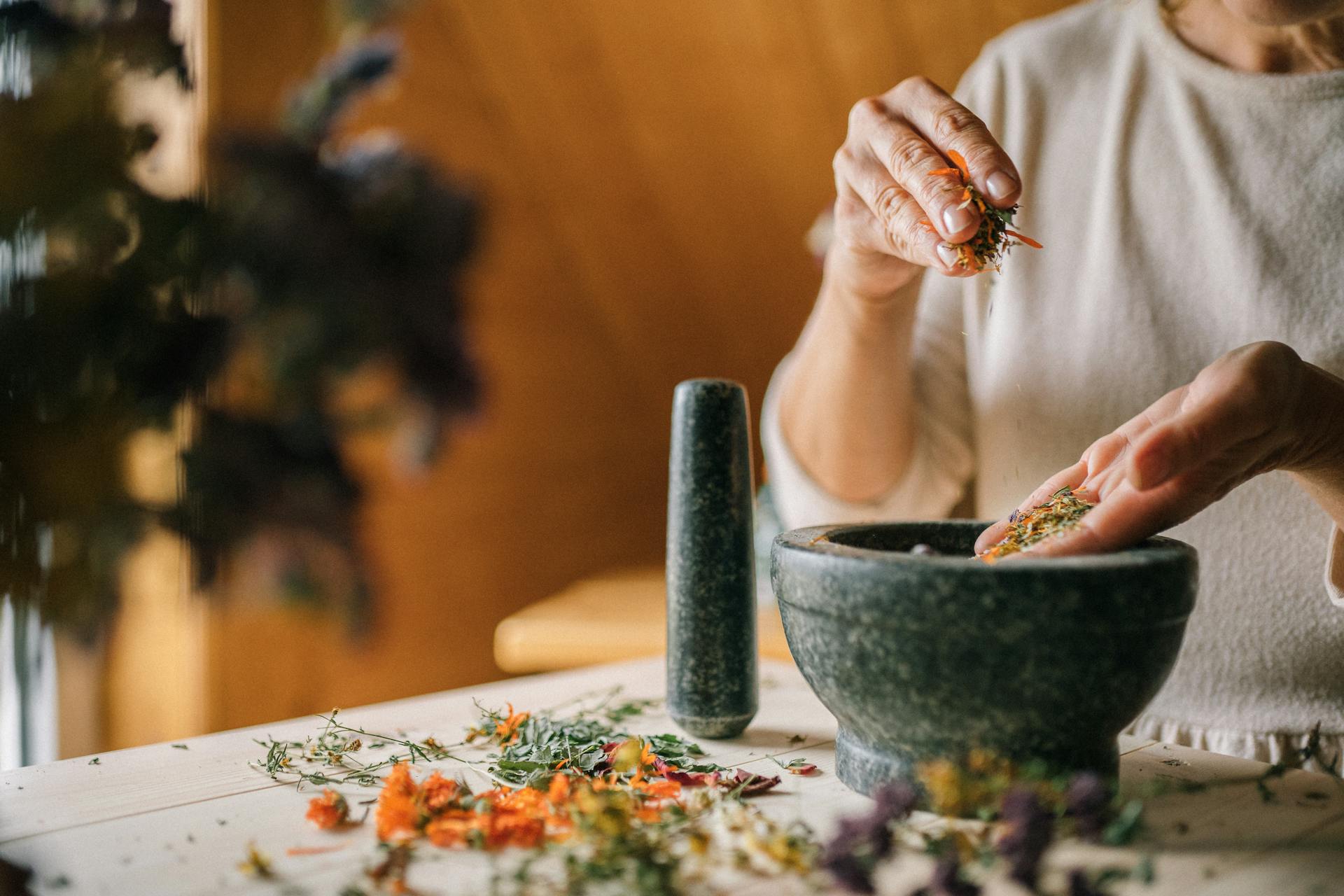

Long before the development of modern pharmaceuticals, plants served as humanity's primary source of medicine. For thousands of years, cultures around the world relied on herbs to treat illness, promote healing, and maintain health. Many of these traditional remedies have endured not only because of historical use, but because modern science has confirmed that plants contain biologically active compounds capable of influencing human physiology.
Today, naturopathic and Western herbal medicine combines traditional knowledge with modern scientific research to provide safe, effective, and individualized treatment options. Herbal medicines can influence nearly every body system, making them one of the most versatile tools available in naturopathic practice.
Unlike many pharmaceutical approaches that focus on a single target or pathway, herbs often contain dozens or even hundreds of naturally occurring compounds that work together to support the body's regulatory systems. This complexity is one reason herbal medicine remains a cornerstone of naturopathic healthcare.
For centuries, observations of medicinal plants guided the development of some of the most important pharmaceutical discoveries in history. Researchers often began by investigating herbs that had demonstrated therapeutic effects through traditional use.
Examples include:
These examples illustrate an important reality: plants contain powerful medicinal compounds that continue to influence modern medicine and pharmaceutical research.
While pharmaceutical development often seeks to isolate a single active ingredient, herbal medicine frequently utilizes the entire plant or multiple plant components, allowing for a broader range of physiological effects.
In naturopathic medicine, herbs are not viewed as "natural alternatives" to drugs. Rather, they are therapeutic tools that can support the body's innate healing mechanisms while addressing underlying patterns of dysfunction.
Like the majority of naturopathic medicine, herbal medicine is individualized and recommendations are often based on the patient's overall health status, constitution, symptoms, goals, and the body systems involved.
Herbs may be used to support:
Because herbal medicine can affect multiple systems at once, it fits well within a holistic treatment strategy aimed at restoring overall health rather than suppressing symptoms.
Plants produce a wide variety of compounds that help them survive in nature. Interestingly, many of these compounds also interact with human physiology in beneficial ways.
Depending on the herb, botanical medicines may help:
Many herbs have been studied extensively and possess well-established mechanisms of action. Others continue to be investigated as researchers uncover new applications and therapeutic benefits.
One of the strengths of herbal medicine is that multiple herbs can often be combined to create synergistic effects, allowing practitioners to address several aspects of a patient's condition simultaneously.
Herbal medicine can be delivered in many forms, depending on the clinical situation and patient preferences.
In modern naturopathic practice, standardized extracts are among the most commonly utilized preparations.
These products are manufactured to contain consistent amounts of specific active compounds, helping provide reliable dosing and predictable therapeutic effects. Standardized extracts allow practitioners to utilize herbal medicines with greater precision while maintaining the benefits of plant-based therapy.
Many of the professional-grade herbal supplements used in our office fall into this category.
Instead of using a single herb, many conditions respond best to combinations of botanicals.
Combination formulas allow multiple herbs to work together, supporting different physiological systems and creating broader therapeutic effects than might be achieved with a single plant alone.
These formulations are commonly utilized in naturopathic medicine for digestive health, immune support, stress management, hormone balance, cardiovascular health, and numerous other applications.
Tinctures are concentrated liquid extracts produced by extracting plant constituents into alcohol, glycerin, or other solvents.
Because they are rapidly absorbed and easily customized, tinctures remain one of the most traditional and flexible forms of herbal medicine. Practitioners can combine multiple tinctures into individualized formulas tailored to a patient's unique needs.
Tea is one of the oldest and simplest methods of herbal preparation.
Many medicinal plants can be prepared as infusions or decoctions, providing gentle therapeutic effects while also encouraging hydration and daily wellness rituals. Although teas are often milder than concentrated extracts, they remain valuable tools for supporting digestion, relaxation, immunity, and overall health.
Our primary approach utilizes evidence-informed herbal medicines in the form of professional-grade supplements, standardized extracts, and combination botanical formulas.
These products allow for precise dosing, consistency, convenience, and the ability to target specific physiological processes. Depending on the patient's needs, recommendations may focus on supporting digestive function, balancing stress responses, optimizing immune regulation, improving metabolic health, promoting detoxification, or addressing other underlying contributors to disease.
When appropriate, traditional preparations such as tinctures and herbal teas may also be recommended as part of a comprehensive treatment plan.
Rather than selecting supplements based solely on symptoms, our goal is to understand why symptoms are occurring and use herbal medicine strategically to support the systems involved.
Herbal medicine has applications across nearly every area of healthcare and may be incorporated into treatment plans for:
Herbal medicine recommendations are individualized based on your health history, symptoms, goals, laboratory findings, and comprehensive treatment plan.
Some patients may benefit from a single botanical supplement, while others may require a combination of herbs targeted toward multiple systems of the body. Recommendations are integrated alongside nutrition, homeopathy, physical medicine, lifestyle medicine, and other naturopathic therapies.
Our goal is not to replace a medication with an herb. Instead, we use botanical medicine as part of a broader strategy to support healing, improve physiological function, and help restore the foundations of long-term health.